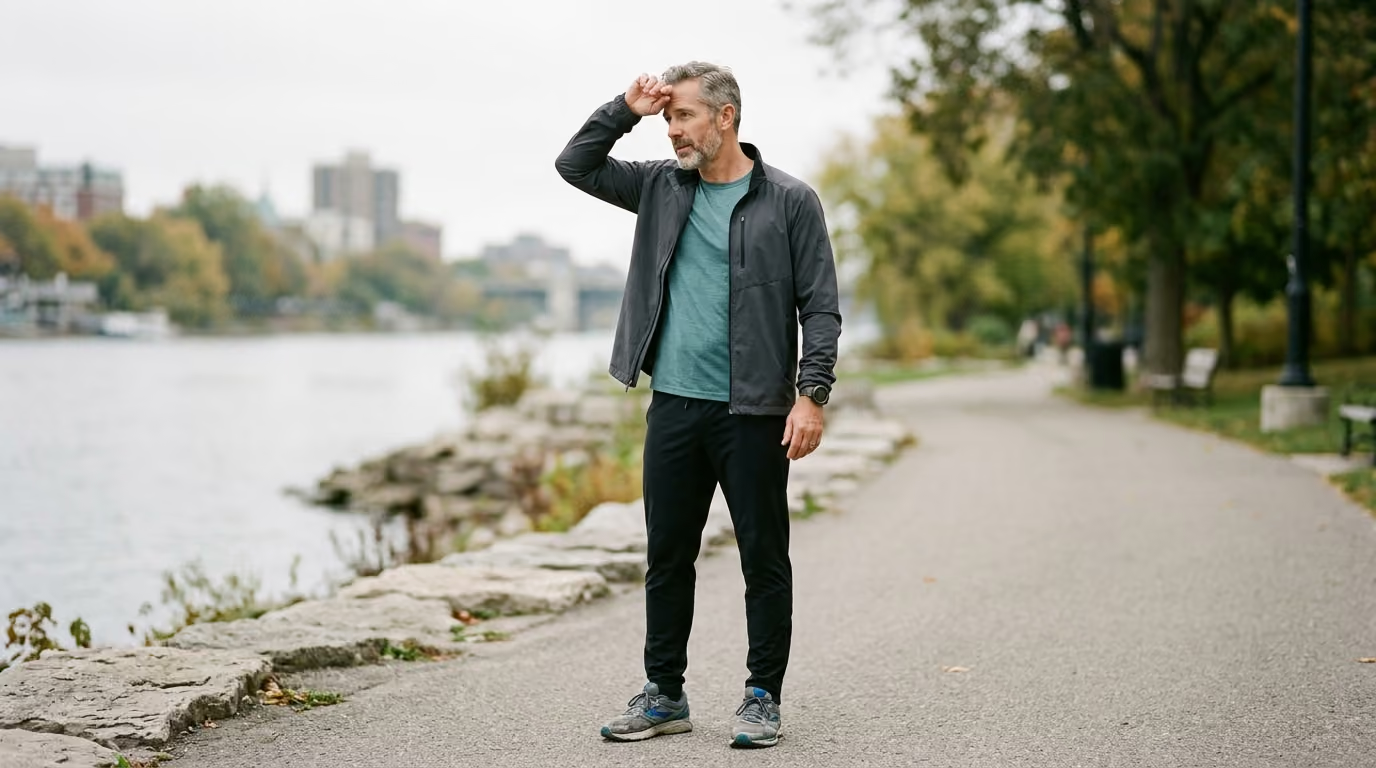

Sustainable immune resilience and lifelong healthspan develop through clinical vaccination, optimized sleep architecture, balanced nutrition.





The commercial health industry often treats immunity as a dial that should be turned to maximum strength. Marketers sell powders, tinctures, and extreme regimens designed to stimulate host defenses. This framing misunderstands human immunology.
A hyperactive immune system does not produce superior health. It drives autoimmune destruction, chronic inflammatory disorders, and severe tissue damage. True resilience is not about constant immune stimulation. It is about maintaining precise regulation, rapid pathogen clearance, and efficient recovery.
Building long-term physiological defense requires an operational strategy rather than quick commercial fixes. For professionals managing high-stakes careers, immune decline poses a direct threat to cognitive endurance, physical capacity, and executive longevity. Protecting your healthspan requires a systematic approach based on rigorous clinical evidence.
Busy professionals require clear, actionable summaries before examining detailed physiological mechanisms. Immune resilience is best defined as the capacity to maintain surveillance, respond accurately to infection, and resolve inflammation without collateral tissue damage.
Achieving long-term vitality requires integrating these foundational elements into your weekly routine. You can study these broader longevity architectures within our guide on healthy aging and executive longevity.
The human immune system is a complex network of cellular sensors, chemical messengers, and specialized killer cells. It operates across two integrated branches that communicate constantly to protect host tissues. Understanding these mechanisms clarifies why simple stimulant products fail.
The innate immune system serves as the immediate, non-specific first line of defense. It includes physical barriers like epithelial tissue, antimicrobial peptides, and chemical secretions. When a pathogen breaches these barriers, innate cells such as neutrophils, macrophages, and natural killer cells deploy within minutes.
These cells recognize broad molecular patterns shared by foreign invaders. They engulf pathogens, release inflammatory signaling proteins called cytokines, and initiate local inflammation. This rapid response holds the infection in check while activating the secondary defense network.
The adaptive immune system provides targeted, pathogen-specific defense with long-term memory capacity. It consists primarily of B lymphocytes and T lymphocytes. B cells produce specialized antibodies that neutralize circulating viruses and mark bacteria for destruction.
T cells perform two distinct functions. Helper T cells coordinate the broader response by releasing cytokines, while cytotoxic T cells destroy infected host cells directly. Adaptive immunity takes days or weeks to mature during a first encounter, but it creates durable immune memory.
Inflammation is not an inherent defect that needs elimination. Acute inflammation is a vital physiological process that recruits repair cells, clears debris, and destroys invading organisms. Without an effective inflammatory response, minor localized infections would prove fatal.
Problems emerge when the inflammatory signal fails to switch off. Persistent, low-grade systemic inflammation damages endothelial linings, destabilizes vascular plaques, and accelerates metabolic disease. The clinical objective is never total suppression of inflammation. The goal is rapid initiation when threatened, followed by complete resolution once the threat is resolved.
As the body ages, the immune system undergoes predictable structural shifts termed immunosenescence. The thymus gland, responsible for maturing naive T cells, shrinks progressively after puberty. By middle age, functional thymic tissue is largely replaced by adipose tissue.
This atrophy reduces the production of naive T cells, making older adults slower to mount defenses against novel pathogens. Memory T cells expand to fill the void, but they often exhibit markers of cellular exhaustion. Furthermore, bone marrow stem cell output shifts, producing more myeloid cells and fewer lymphoid cells.
Immunosenescence is a natural biological process that alters baseline risk over decades. It differs fundamentally from secondary immunocompromise. Immunocompromise arises from identifiable medical conditions, chemotherapy, biologic therapies, or organ transplantation. Managing these states requires specialized clinical oversight rather than standard lifestyle modifications.
Vaccination represents the most successful medical technology for maintaining functional independence across the lifespan. It trains adaptive immune cells without exposing the body to the dangerous complications of wild viral or bacterial infection.
Infections are rarely isolated events that resolve without systemic consequences. Severe respiratory or systemic infections place massive stress on cardiac, renal, and neurological systems. For older adults and high-performing professionals, a severe infectious episode can trigger lasting functional decline.
Infection can induce profound muscle catabolism during bed rest, leading to sarcopenia and mobility loss. It causes prolonged vascular inflammation that raises the risk of myocardial infarction and stroke for months following recovery. Preventing severe illness protects cardiopulmonary reserve, stabilizes metabolic health, and preserves career longevity.
The Centers for Disease Control and Prevention maintains updated adult immunization schedules based on age, occupation, and health conditions. Adult preventive schedules should be reviewed annually with a physician rather than treated as a childhood checklist.
Vaccines do not guarantee that an individual will never contract an infection. Their primary clinical purpose is preventing severe disease, hospitalization, permanent organ injury, and death. Viewing vaccination through this probabilistic lens allows executives to make sound risk-management decisions.
Busy professionals should implement an annual medical review to keep all preventive immunizations current. This review prevents lapses in coverage caused by heavy travel or demanding work schedules.
Schedule this review each autumn ahead of the primary respiratory virus season. Ask your physician to audit your immunization records against current age and condition schedules. Review upcoming international travel destinations, local occupational risks, and personal health metrics during the same consultation.
Sleep is the primary behavioral regulator of human immune function. Far from being a passive period of mental rest, sleep coordinates systemic endocrine shifts that direct immune cell trafficking, cytokine production, and stem cell differentiation.
Research supported by the National Institutes of Health reveals that regular, high-quality sleep regulates the production and epigenetic programming of hematopoietic stem and progenitor cells in the bone marrow. These stem cells generate the entire innate immune repertoire, including monocytes and granulocytes.
When sleep is fragmented or restricted, bone marrow production shifts toward an overproduction of inflammatory monocytes. This state induces systemic low-grade inflammation, reduces host resistance to acute infection, and accelerates vascular disease. Sleep continuity directly maintains the structural balance of your blood-forming organs.
During early slow-wave sleep, the body undergoes profound neuroendocrine changes. Pro-inflammatory stress hormones, particularly cortisol and epinephrine, drop to their lowest daily levels. Concurrently, growth hormone and prolactin release surges.
This unique hormonal environment promotes immune cell migration into lymph nodes. It facilitates physical interactions between antigen-presenting cells and T cells, solidifying immunological memory. When you cut sleep short, nocturnal cortisol stays elevated, impairing cellular communication and weakening vaccine responses.
Executives who wish to refine their sleep timing can consult our detailed framework on sleep optimization and recovery.
Consider the case of a corporate leader managing operations across multiple continents. Frequent transatlantic flights, irregular meal timing, late-night alcohol use, and untreated obstructive sleep apnea create a compounding physiological deficit. This executive may maintain daytime output through sheer adrenaline, but their underlying immune reserve is severely compromised.
The solution requires correcting structural sleep issues rather than consuming quick-fix wellness remedies. Screen for sleep-disordered breathing with home sleep studies if snoring or daytime fatigue is present. Enforce non-negotiable sleep windows, manage time-zone shifts systematically, and eliminate evening alcohol consumption during heavy travel weeks.
Nutrition supplies the essential substrates required for rapid cellular division, protein synthesis, and antioxidant defense. However, the commercial market has distorted nutritional science by promoting the idea that massive doses of specific nutrients offer superior protection.
The immune system requires a steady supply of complete amino acids, essential fatty acids, and key micronutrients. The body cannot stockpile amino acids. Therefore, dietary protein must be consumed consistently throughout the day to support antibody synthesis and acute-phase protein generation.
Focus on a dietary foundation rich in whole, minimally processed foods that naturally provide micronutrients alongside fiber and polyphenols.
This broad dietary pattern maintains metabolic stability, prevents hyperglycemia-induced immune impairment, and fuels gut-associated lymphoid tissue. For deeper nutritional strategies, explore our guide on nutrition and metabolic performance.
The National Institutes of Health Office of Dietary Supplements provides comprehensive analyses on micronutrients and immune function. Clinical evidence confirms that genuine micronutrient deficiencies degrade immune responses. However, evidence shows that exceeding recommended daily allowances provides no additional infection protection for well-nourished individuals.
Clinical deficiencies in vitamins A, C, D, and E, as well as selenium and zinc, demonstrably impair host resistance. Correcting these deficiencies via targeted supplementation or diet restores normal function.
Nevertheless, randomized trials demonstrate that routine high-dose vitamin C supplementation does not prevent common cold incidence in the general population. It only modestly shortens symptom duration by roughly eight percent in adults.
Similarly, the NIH Office of Dietary Supplements notes that evidence is insufficient to recommend any botanical or vitamin supplement for the prevention or treatment of severe viral infections like COVID-19.
Supplements should be categorized into four distinct physiological scenarios to avoid unscientific practices:
The philosophy that more is always better is fundamentally unsafe in human biology. Excess fat-soluble vitamins accumulate in adipose and liver tissues, while excess mineral intake disrupts competitive absorption pathways. Disclose all supplement use to your physician to prevent dangerous pharmaceutical interactions.
Skeletal muscle is an active endocrine organ that plays an indispensable role in immune resilience. Physical activity stimulates the circulation of immune cells, reduces visceral fat, and preserves metabolic health across decades of life.
During severe infection or trauma, the immune system demands massive quantities of amino acids for antibody synthesis, immune cell proliferation, and liver protein production. If dietary intake is absent or insufficient, the body breaks down skeletal muscle to supply these vital resources.
Individuals with higher baseline muscle mass possess a larger physiological reserve to draw upon during acute illness. Sarcopenia, the age-related loss of muscle mass and quality, directly correlates with higher infection mortality and prolonged hospital stays. Resistance training is therefore a core component of biological defense.
The World Health Organization recommends at least 150 to 300 minutes of moderate-intensity aerobic physical activity, or 75 to 150 minutes of vigorous-intensity activity, weekly for all adults. Meeting these targets produces immediate and long-term immunological benefits.
A single bout of moderate aerobic exercise rapidly mobilizes billions of natural killer cells, neutrophils, and cytotoxic T cells into the bloodstream. These cells traffic through peripheral tissues, improving surveillance against viral invaders and malignant cells. Once the exercise session ends, these leukocytes settle back into mucosal surfaces and lymph nodes.
While regular exercise strengthens immune function, excessive training volume paired with inadequate recovery can backfire. Prolonged, exhausting endurance sessions without proper nutrition or sleep can elevate circulating cortisol and suppress mucosal immunoglobulins.
High-performing professionals frequently make the mistake of adding grueling workouts on top of severe corporate stress and sleep deficits. When systemic fatigue sets in, reduce workout intensity and prioritize movement quality. Never perform high-intensity training sessions when experiencing systemic symptoms such as fever, body aches, or a resting heart rate ten beats above baseline.
Immune resilience cannot be separated from chronic disease management. Subclinical cardiovascular disease, insulin resistance, chronic kidney impairment, and uncontrolled hypertension degrade the structural integrity of your immune defenses over time.
Chronic hyperglycemia and elevated circulating insulin impair both innate and adaptive immune cell responses. Elevated blood glucose levels produce advanced glycation end-products that stiffen vascular walls and trigger continuous low-grade inflammatory signaling.
Furthermore, neutrophils and macrophages bathed in high-glucose environments exhibit reduced chemotaxis, impaired phagocytosis, and diminished intracellular pathogen killing. Maintaining tight glycemic control through diet, exercise, and appropriate medical therapy is one of the most effective ways to preserve immune function.
Executives working to manage high-pressure environments while stabilizing metabolic health can find useful protocols in our resource on stress resilience and sustainable performance.
Long-term immune resilience requires systematic monitoring of key biomarkers. Track these biomarkers annually with your physician to identify and resolve underlying metabolic strain before it damages host defenses.
Many executives take medications that influence immune competence. Systemic corticosteroids for autoimmune conditions, biologic agents for psoriasis or inflammatory bowel disease, and certain anti-rheumatic drugs alter targeted pathways of immune defense.
Never discontinue prescribed medications without direct clinical guidance. Instead, work closely with your physician to time vaccinations around immunosuppressive therapy cycles. Proactively screen for latent infections before initiating biologic therapies, and establish early-treatment protocols in the event of acute respiratory illness.
While supporting internal biological resilience is vital, reducing the concentration of pathogens you encounter is equally important. Physical exposure control reduces the viral load entering your upper respiratory tract, giving your innate defenses a decisive advantage.
Respiratory pathogens spread primarily through microscopic airborne aerosols that accumulate in poorly ventilated indoor spaces. Diluting and filtering indoor air directly lowers the concentration of infectious particles.
Executives spend considerable time in commercial aircraft, boardrooms, and hotel suites. Using personal portable HEPA filters or requesting well-ventilated meeting venues provides a meaningful layer of non-invasive defense.
Infection prevention does not require perpetual isolation. It requires applying targeted barriers during periods of elevated community transmission or high personal risk.
Wear a well-fitted N95 or FFP2 respirator in crowded, poorly ventilated areas such as airport security lines and boarding gates. Practice consistent hand hygiene before touching your eyes, nose, or mouth. Clean high-touch surfaces, such as seatbelt buckles and tray tables, during commercial travel.
Returning to work while actively infectious compromises colleagues and client organizations. Follow clear clinical guidance when recovering from a respiratory illness to prevent workplace transmission.
The Centers for Disease Control and Prevention advises that individuals with respiratory viruses stay home until symptoms improve and they remain fever-free for at least 24 hours without fever-reducing medication.
For the subsequent five days, take extra precautions by wearing a well-fitting mask around others, improving indoor air quality, and testing before meeting vulnerable individuals.
The health and longevity sector is crowded with aggressive marketing claims that lack clinical validation. Discarding unproven practices allows you to focus your time and capital on interventions that genuinely influence healthspan.
The phrase "immune boosting" is a marketing term with no basis in medical science. A system that is constantly stimulated creates chronic inflammatory tissue destruction or triggers autoimmune reactions.
The goal of longevity science is building an adaptive, regulated immune system that rests quietly until an authentic threat appears, responds forcefully, and shuts down promptly. Products promising constant immune stimulation should be viewed with extreme skepticism.
A common error among health-conscious professionals is assuming that an organic diet and extensive supplement regimens eliminate the need for immunization. Nutritional adequacy supports baseline white blood cell synthesis, but it does not provide antigen-specific antibody blueprints.
Vaccines train adaptive T and B cells to recognize specific viral and bacterial proteins instantly. Nutrition and vaccination address entirely different aspects of human biology. A well-nourished individual without specific antibodies remains vulnerable to severe novel infections.
Consuming massive doses of fat-soluble vitamins, concentrated botanical extracts, or unvalidated intravenous drips can cause significant metabolic harm. Excessive zinc intake over long periods suppresses copper absorption, leading to anemia and neurological deficits.
Large doses of vitamin C can cause gastrointestinal distress and increase the risk of calcium oxalate kidney stones in susceptible individuals. Concentrated herbal blends can interact unpredictably with prescribed medications and stress liver metabolic enzymes. Always demand rigorous clinical trial evidence before adopting aggressive supplementation protocols.
I spent a week at a popular health optimization conference and left completely exhausted by the complexity. Everyone was pushing a new supplement protocol, a complicated gadget, or a rigid daily routine.
It struck me that true high performers do not have time to make health a full-time job. They need maximum return on minimum viable effort. That observation became the filter for every piece of research we publish across our wider analysis on longevity and healthspan.
Building an effective defense requires translating clinical evidence into a structured seasonal checklist. Use this operational blueprint to maintain baseline health throughout the year.
Execute these practical steps across your personal and professional environments to maintain resilience against seasonal pathogens:
Building true immune resilience requires eliminating unproven commercial fads and executing basic physiological fundamentals with unyielding consistency.
Stay connected for research and practical guidance on executive performance, energy, focus, sleep, recovery and longevity. Ideas built for people who want to stay sharp, capable and effective for the long run.


Build habits and systems that support clear thinking, steady energy and long term capacity throughout a demanding career.
explore the Blog