
Sustained cognitive performance and stable metabolic energy during demanding business trips require strategic nutrient timing, hydration.





You land at your destination after a delayed flight, having slept three restless hours in an upright seat. Your calendar shows a breakfast briefing in forty minutes, followed by six hours of back to back negotiations and a heavy client dinner. The hotel lobby offers croissants and sweetened coffee, while your stomach feels sluggish from cabin pressure and irregular meal timing.
In high-stakes professional environments, travel is not an excuse to abandon nutritional standards. It is the exact scenario where your nutritional choices matter most.
Executive travel nutrition is fundamentally a performance continuity problem. Disrupted schedules, altered time zones, airport food deserts, and mandatory social dinners threaten your energy, cognitive stamina, and sleep quality.
Maintaining your performance on the road does not require rigid dietary perfection. It requires an operational system that protects your baseline when conditions are deeply flawed.
Travel challenges human physiology by desynchronizing our internal biological clocks from the external environment. This desynchronization directly impairs how your body processes nutrients and regulates energy.
The emerging field of chrononutrition demonstrates that our metabolic processes follow precise 24-hour circadian rhythms. Peripheral clocks located in the liver, pancreas, and gut coordinate nutrient absorption, hormone secretion, and insulin sensitivity. When you cross time zones or eat at irregular hours, you create circadian misalignment between your central brain clock and metabolic organs.
Research demonstrates that identical meals produce markedly different metabolic responses depending on the time of consumption. In a controlled crossover study of healthy adults, a lunch consumed at 4:30 p.m. resulted in approximately 15 percent lower glucose tolerance compared to the same meal eaten at 1:00 p.m. Another controlled investigation revealed that an acutely late dinner produced overnight glucose intolerance, impaired insulin sensitivity, and reduced fatty acid oxidation.
When you consume large, carbohydrate-dense meals late in your biological night, your body struggles to clear circulating glucose. This leads to prolonged hyperglycemia, elevated nocturnal heart rates, and fragmented sleep architecture. The subsequent morning begins with reactive hypoglycemia, brain fog, and intense cravings for refined carbohydrates.
Travel fatigue and true jet lag present distinct physiological challenges. Travel fatigue arises from prolonged sitting, cabin pressure, mild hypoxia, disruption of routine, and logistical stress. It can occur on a short domestic flight with zero time-zone changes. Jet lag occurs when crossing multiple time zones forces a temporal mismatch between internal circadian pacemakers and local environmental cues.
Nutrition cannot solve jet lag in isolation. Food timing functions as a powerful secondary zeitgeber, or time cue, for peripheral metabolic tissues. When you coordinate meal timing with destination daylight, strategic movement, and targeted caffeine reduction, you accelerate circadian realignment. The human circadian system naturally shifts by roughly one hour per day. Strategic eating can prevent the metabolic drag that often accompanies this transition.
Understanding these mechanics allows executives to focus on nutrition and metabolic performance as a tactical asset rather than a lifestyle burden.
When operating outside your normal routine, you must simplify your nutritional inputs to the variables that drive measurable physiological outcomes.
Protein serves as the critical anchor for energy stability and tissue maintenance during demanding trips. Prolonged sitting, erratic schedules, and skipped meals can trigger muscle catabolism, especially in mature professionals.
The International Society of Sports Nutrition recommends that active individuals consume between 1.4 and 2.0 grams of protein per kilogram of body weight daily. For road warriors, distributing this intake across the day is far more effective than consuming a single large portion at night. Research shows that ingesting 20 to 40 grams of high-quality protein every three to four hours supports muscle protein synthesis and appetite-regulating hormones.
Protein stimulates the release of peptide YY and glucagon-like peptide-1 while suppressing ghrelin, the primary hunger hormone. On the road, prioritizing protein at every eating opportunity prevents the volatile blood sugar swings that trigger mid-afternoon cognitive fatigue.
Carbohydrates are your brain's primary fuel source, but their format dictates your cognitive trajectory. Highly refined carbohydrates found in airports and catering tables provoke rapid spikes in blood glucose followed by reactive dips. These fluctuations impair working memory, sustained attention, and emotional regulation during high-stakes meetings.
Base your travel carbohydrate intake around high-fiber, slowly digested sources whenever options exist. Whole fruits, vegetables, legumes, oats, and whole grains slow gastric emptying and provide a continuous release of glucose into the bloodstream. Fiber also nourishes beneficial gut microbiota, which are frequently disrupted by travel stress, altered water sources, and circadian shifts.
Aircraft cabins are pressurized to altitudes between 6,000 and 8,000 feet, maintaining relative humidity levels below 20 percent. This arid environment accelerates insensible fluid loss through respiration and skin evaporation.
Long-haul flight guidance suggests a fluid intake of 100 to 300 mL per hour, which includes fluid obtained from water-rich foods. Even mild dehydration, representing a 1 to 2 percent loss of body water, measurably impairs concentration, executive function, and physical stamina.
Do not attempt to correct dehydration by drinking massive quantities of water immediately before sleep, as repeated nocturnal awakenings will destroy sleep quality. Sip water steadily throughout your travel window. Plain water is entirely adequate for standard flights, though electrolyte packets can support hydration in high-heat destinations or after intense exercise.
Caffeine is a potent cognitive tool, but executives often misuse it as a substitute for real rest. Caffeine works primarily by blocking adenosine receptors in the central nervous system, temporarily masking the sensation of fatigue without clearing accumulated sleep debt.
The Food and Drug Administration identifies 400 milligrams of caffeine daily, roughly three to four standard cups of brewed coffee, as an upper baseline for healthy adults. However, caffeine possesses an average elimination half-life of five to seven hours, with a quarter-life extending past twelve hours in many individuals.
Consuming coffee, tea, or energy drinks late in the afternoon ensures active caffeine remains bound to neuroreceptors at bedtime. This prevents descent into deep, restorative slow-wave sleep. On the road, implement a strict caffeine cutoff eight to ten hours before your intended sleep window. This single rule protects your baseline sleep quality and recovery capacity.
Alcohol is heavily integrated into corporate entertainment, airport lounges, and hotel culture. While it functions socially as a relaxant, its metabolic and neurobiological costs are severe.
Alcohol induces sedative effects by enhancing GABAergic neurotransmission, which may help you fall asleep faster. However, as the liver metabolizes ethanol into acetaldehyde, alcohol fragments rapid eye movement sleep, elevates nocturnal heart rate, and suppresses heart rate variability.
Furthermore, alcohol acts as a mild diuretic and worsens travel-related dehydration and airway resistance, increasing snoring and sleep apnea events. When crossing time zones, alcohol blunts circadian adaptation and intensifies jet-lag symptoms. Treat alcohol as an intentional social indulgence rather than an unthinking default or a sleep aid.
To make rapid, reliable decisions without cognitive friction, our team uses a structured operating system called the TRAVEL framework. This protocol adapts to any travel itinerary, providing clear heuristics when schedules collapse.
Begin shifting your meal windows toward your destination's local time as soon as you depart. If you are flying eastbound from New York to London on an evening flight, your digestive system expects rest while London is preparing for morning.
Upon arrival, align your first substantial meal with the local meal schedule. Eat a protein-rich breakfast in the morning sunlight of your destination, even if your appetite is muted. This signals to peripheral metabolic clocks that the active phase of the day has officially begun.
Decision fatigue degrades willpower. Build automated, repeatable meal templates for common travel scenarios, eliminating the need to evaluate every menu from scratch.
Your default breakfast might consist of three scrambled eggs, a cup of berries, and oatmeal with water. Your default airport lunch could be a double-protein salad with olive oil and vinegar. Having predefined choices removes hesitation and ensures adequate nutrient density before demanding work blocks.
Never allow circumstances to dictate whether you can access nourishment. Flight delays, extended tarmac holds, and prolonged meetings frequently trap professionals in environments devoid of quality food.
Pack an emergency nutrition kit in your carry-on luggage. Carry foods that tolerate temperature swings, resist crushing, and require no refrigeration. Excellent options include raw almonds, dry-roasted edamame, shelf-stable tuna pouches, low-sugar protein bars, and roasted chickpeas.
Pairing a shelf-stable protein or fat with fruit purchased post-security stabilizes energy until a proper meal becomes available. This preparation protects your ability to maintain sustained cognitive focus through unexpected disruptions.
Calibrate meal size and macronutrient ratios to your immediate demands. A large, high-fat, carbohydrate-heavy meal diverts substantial blood flow to the splanchnic circulation for digestion, triggering postprandial somnolence and brain fog.
Before a keynote, board presentation, or intense negotiation, choose a lighter meal centered on lean protein and low-glycemic vegetables. When facing an intense physical workout or an extensive walking schedule, increase complex starches like sweet potatoes or brown rice.
Use a simple behavioral heuristic when plating meals on the road:
Travel increases your biological exposure to novel pathogens, unwashed produce, unsafe water supplies, and temperature-abused buffets. Foodborne illness can instantly derail critical business objectives.
The Centers for Disease Control and Prevention warns that foodborne bacteria multiply rapidly between 40°F and 140°F, known as the temperature danger zone. Ensure hot food is steaming and cold food is chilled.
If travel challenges your digestion, do not respond with punishing multi-day fasts. Recover by drinking clean water, eating easily digestible whole foods, re-establishing normal meal timing, and getting adequate rest.
Navigating modern transit hubs requires a deliberate, step-by-step strategy to avoid low-nutrient, highly processed options.
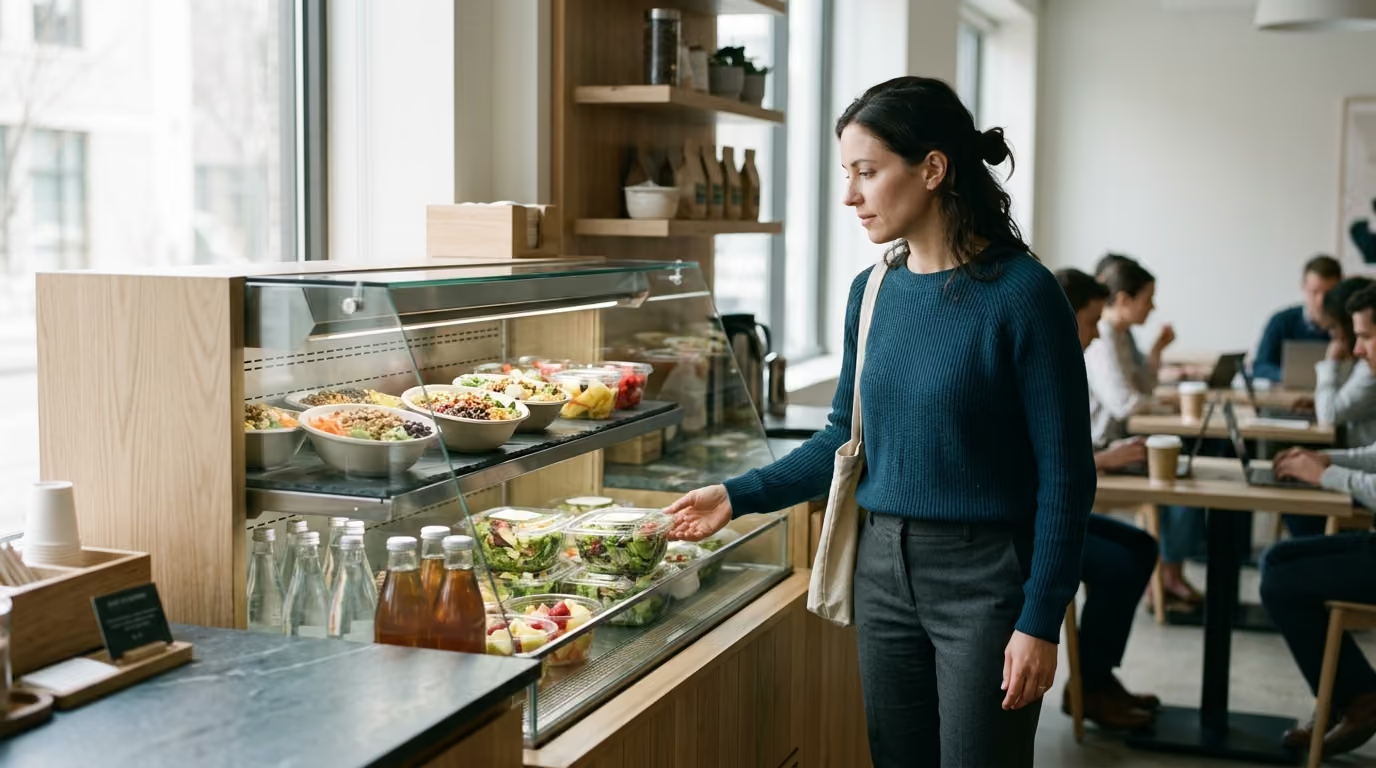
Airports are engineered to encourage consumption of ultra-processed snacks, refined pastries, and alcohol. Long layovers create boredom, prompting travelers to eat out of habit rather than true physiological need.
Execute this systematic sequence immediately after clearing security:
Reliable airport selections include:
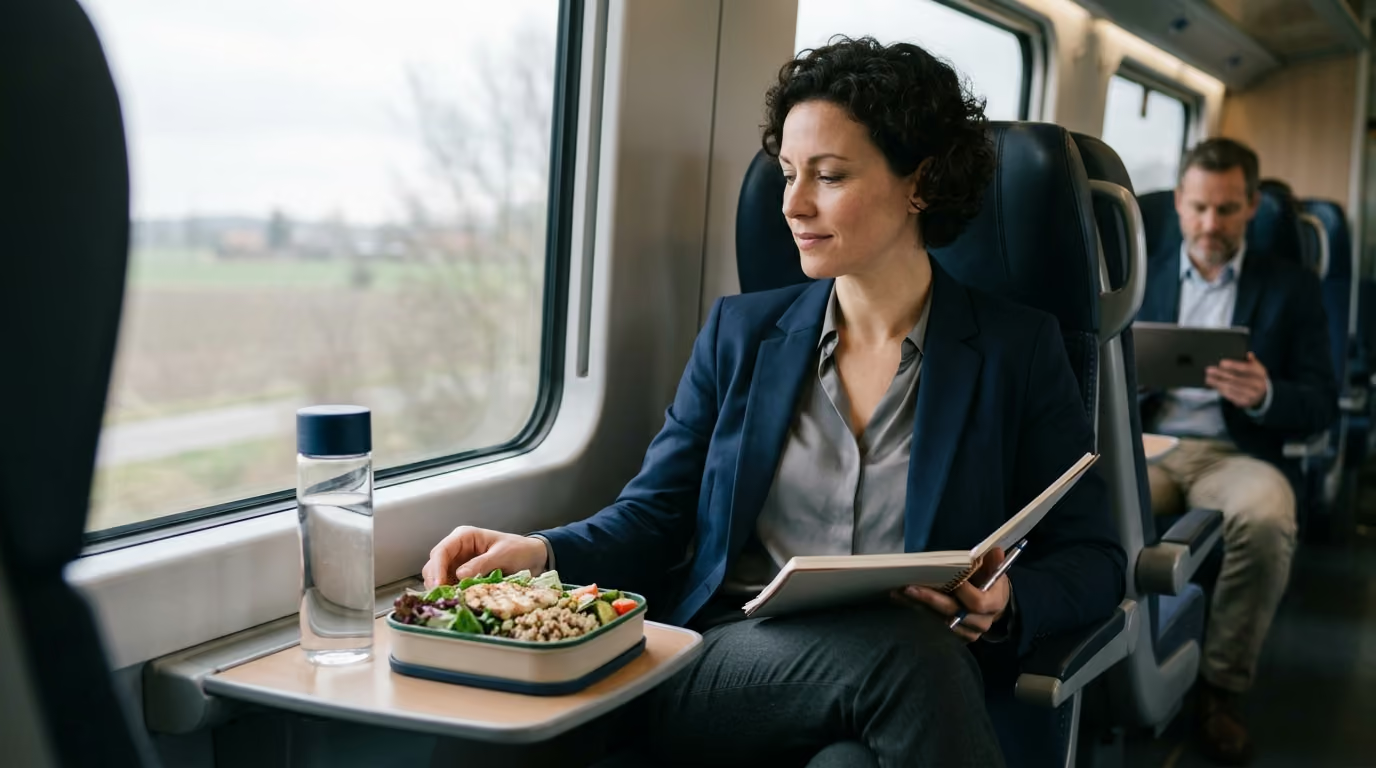
The airplane cabin presents unique physiological stressors: reduced barometric pressure, dry air, prolonged immobility, and disrupted digestion. Gastric motility slows at altitude, meaning heavy meals sit longer in the stomach, causing bloating and reflux.
I remember landing at Heathrow after a brutal overnight flight from New York. I had a board meeting in three hours, and the standard advice of getting eight hours of sleep felt like a cruel joke. That was the exact moment I realized our readers do not need perfect scenarios.
They need triage protocols. They need to know what the science says about recovering cognitive function and stabilizing energy when you only managed three hours of terrible sleep at high altitude.
For daytime flights, consume a balanced, protein-rich meal prior to boarding, then rely on water and light portable snacks during transit. If you choose to consume airline meals, eat the protein and vegetable components while skipping heavily sweetened desserts and refined rolls.
For overnight long-haul flights, decline the late-night meal service entirely. Dinner service on an eastbound transatlantic flight often concludes three hours after takeoff, right when your body should be experiencing its nocturnal core temperature drop. Eating at this time forces your digestive system to work when insulin sensitivity is lowest, impairing sleep efficiency.
Fast through the flight, focusing entirely on sleep and steady sips of water. Upon landing, eat a substantial, protein-rich breakfast aligned with local morning time. This strategy aligns your peripheral clocks with destination daylight, accelerating your adaptation to the local schedule.
Once you arrive on site, your operating environment shifts to controlled settings that offer both massive abundance and significant hidden risks.
The hotel breakfast buffet is a high-risk environment. Unlimited portions and varied food options encourage travelers to consume excess calories from refined grains, hidden sugars, and low-quality oils.
Navigate the buffet using a disciplined three-pass method:
Pass One: Secure the protein anchor. Walk past the bakery station and proceed directly to the egg station, smoked fish, Greek yogurt, or cottage cheese. Place 30 to 40 grams of protein onto your plate.
Pass Two: Add fiber and micronutrients. Fill half the remaining plate space with fresh spinach, tomatoes, mushrooms, whole fruit, or unflavored steel-cut oats.
Pass Three: Deliberate selection. If you genuinely desire a specific culinary item, like an artisanal local pastry or regional cheese, take a modest portion and enjoy it without distraction.
Avoid assuming commercial buffet items are nutritionally sound simply because they sound healthy. Commercial granolas often contain as much added sugar as desserts, pre-mixed flavored yogurts are frequently sweetened, and commercial smoothies lack sufficient protein while providing massive liquid fructose loads.
Conferences present a unique logistical challenge: food is scheduled around keynotes rather than biological hunger, and offerings lean heavily toward cheap carbohydrates.
To maintain steady focus throughout afternoon sessions, adopt these tactical habits:
Late-night arrivals often leave room service as the only dining option. Late-night room service menus are typically dominated by burgers, club sandwiches, pizza, and fries.
When ordering from room service under tight deadlines, apply simple modification requests:
Business dinners represent a critical intersection where professional relationship building meets metabolic discipline. You do not need to choose between social cohesion and health.
Walking into a high-end restaurant ravenous is a primary driver of poor food choices. When blood glucose is low and social demands are high, self-regulation diminishes rapidly.
Consume a small bridge snack containing 10 to 15 grams of protein and healthy fats 60 to 90 minutes before dinner. A handful of walnuts, a hard-boiled egg, or a low-sugar protein shake stabilizes your appetite. This prevents you from consuming the complimentary bread basket and fried appetizers when you sit down.
Perform menu reconnaissance ahead of time. Most upscale restaurants publish their menus online. Reviewing the selections in advance allows you to select an optimal entree when you are clear-headed, eliminating impulsive decisions in the moment.
Corporate dining often involves a multi-course progression: cocktails, rich appetizers, bread, wine with dinner, a heavy main course, and rich desserts. Consuming every element creates substantial digestive strain and impairs recovery.
Adopt the single-indulgence heuristic. Select the one component of the meal you value most and enjoy it deliberately:
Navigating alcohol at professional dinners requires clear boundaries that avoid drawing unwanted attention or disrupting social rapport.
Use these discreet management techniques:
When deadlines slip, negotiations extend overnight, or flight delays force red-eye travel, rigid dietary structures fail. You need flexible protocols that prevent cognitive collapse.
For emergency overnight operations or transatlantic crisis management, structure your intake to support alertness without overloading your gastrointestinal tract.
Implement this operational schedule:
Following an exceptionally difficult travel day characterized by disrupted meals, missed sleep, and elevated stress, avoid punitive behaviors. Do not engage in extreme caloric restriction, compensatory excessive exercise, or aggressive cleanses. These practices increase cortisol and prolong physiological recovery.
Execute a normalizing recovery sequence:
This systematic approach builds sustainable performance under stress, transforming travel from an exhausting hurdle into a manageable routine.
While general travel nutrition strategies benefit most executives, specific health conditions and scientific boundaries require clear operational nuance.
Individuals managing specific health conditions must customize these guidelines with their clinical care teams:
Scientific integrity requires understanding the limitations of current nutrition science:
First, much of the research on chrononutrition and meal timing stems from controlled, short-term laboratory interventions or observational epidemiological studies. While early meal timing and restricted late-night eating show distinct metabolic benefits, total caloric intake and diet quality remain the primary drivers of long-term body composition and health.
Second, fasting during flights has been popularized as a jet-lag solution, but evidence supporting this strategy in human populations remains limited and variable. Prolonged fasting during demanding travel can induce irritability, headaches, and impaired decision-making in individuals who are not habituated to it. It should be treated as an optional self-experiment rather than a mandatory performance standard.
Third, commercial supplements marketed for travel recovery, such as high-dose vitamin formulas or immune boosters, lack robust evidence showing they prevent illness in travelers. Basic fundamentals like hand hygiene, adequate sleep, consistent hydration, and balanced nutrient intake provide vastly superior protection against travel-related degradation.
Executives seeking comprehensive guidance can access our collection of research-backed executive performance resources to refine their operating systems.
Revisit this resource whenever you prepare for an international trip crossing more than three time zones, before an intense multi-day conference, or when an upcoming quarter demands heavy travel. Use these frameworks to audit your habits, pack your emergency kits, and establish your default choices before stepping out the door.
Consistent high performance on the road is built on resilient, repeatable habits rather than sporadic attempts at perfection.
Stay connected for research and practical guidance on executive performance, energy, focus, sleep, recovery and longevity. Ideas built for people who want to stay sharp, capable and effective for the long run.


Build habits and systems that support clear thinking, steady energy and long term capacity throughout a demanding career.
explore the Blog