
A 2026 evidence synthesis evaluates daytime napping and sleep extension. Learn how structured recovery protocols impact physical output and cognitive performance.





On August 15, 2026, an integrated evidence synthesis established new benchmarks for how daytime naps and sleep extension influence human performance. The published review examined multiple controlled trials, including a highly detailed meta-analysis in Frontiers in Physiology, to evaluate physiological output and cognitive resilience. High-performing professionals often attempt to manage continuous fatigue with aggressive stimulant use. This new research provides a quantitative foundation for using structured rest periods to sustain physical capacity over time.
The synthesis moves beyond standard generic advice by analyzing strict statistical outcomes across varied populations. Researchers evaluated whether short tactical sleep windows can reliably counteract acute sleep deprivation without disrupting subsequent nighttime rest. The resulting data highlights specific areas where physical output clearly improves, while also exposing significant gaps in our understanding of complex cognitive benefits.
The broad systematic review conducted by Mesas and colleagues evaluated randomized controlled trials involving exactly 291 adults. These participants were all aged 18 to 35, representing a population at peak baseline physiological capacity. This specific participant pool included 164 highly trained athletes alongside 127 physically active adults. Researchers sought to measure the precise impact of napping on cognitive performance, physical exertion, and subjective fatigue levels.
To standardize their findings, the researchers calculated standardized mean differences for each outcome category. This statistical method allows scientists to compare results across vastly different experimental designs and testing protocols. A concurrent review published in Frontiers in Physiology applied a much narrower focus to the topic. This meta-analysis examined 12 studies involving 179 team-ball-sport athletes, focusing heavily on specialized athletic outcomes like endurance, agility, and raw power generation.
The research landscape also includes comparative analyses of different recovery protocols. A separate 2023 systematic review of 25 studies evaluated the efficacy of multiple distinct recovery interventions. It concluded that sleep extension and napping appeared to be the most represented and effective sleep interventions for athletic performance. Other heavily promoted interventions required far more robust clinical research before earning similar scientific endorsement.
I remember landing at Heathrow after a brutal overnight flight from New York. I had a highly demanding board meeting in three hours, and the standard advice of getting eight hours of uninterrupted sleep felt like a cruel joke. That was the exact moment I realized our readers do not need perfect scenarios. They need triage protocols based on actual human physiology.
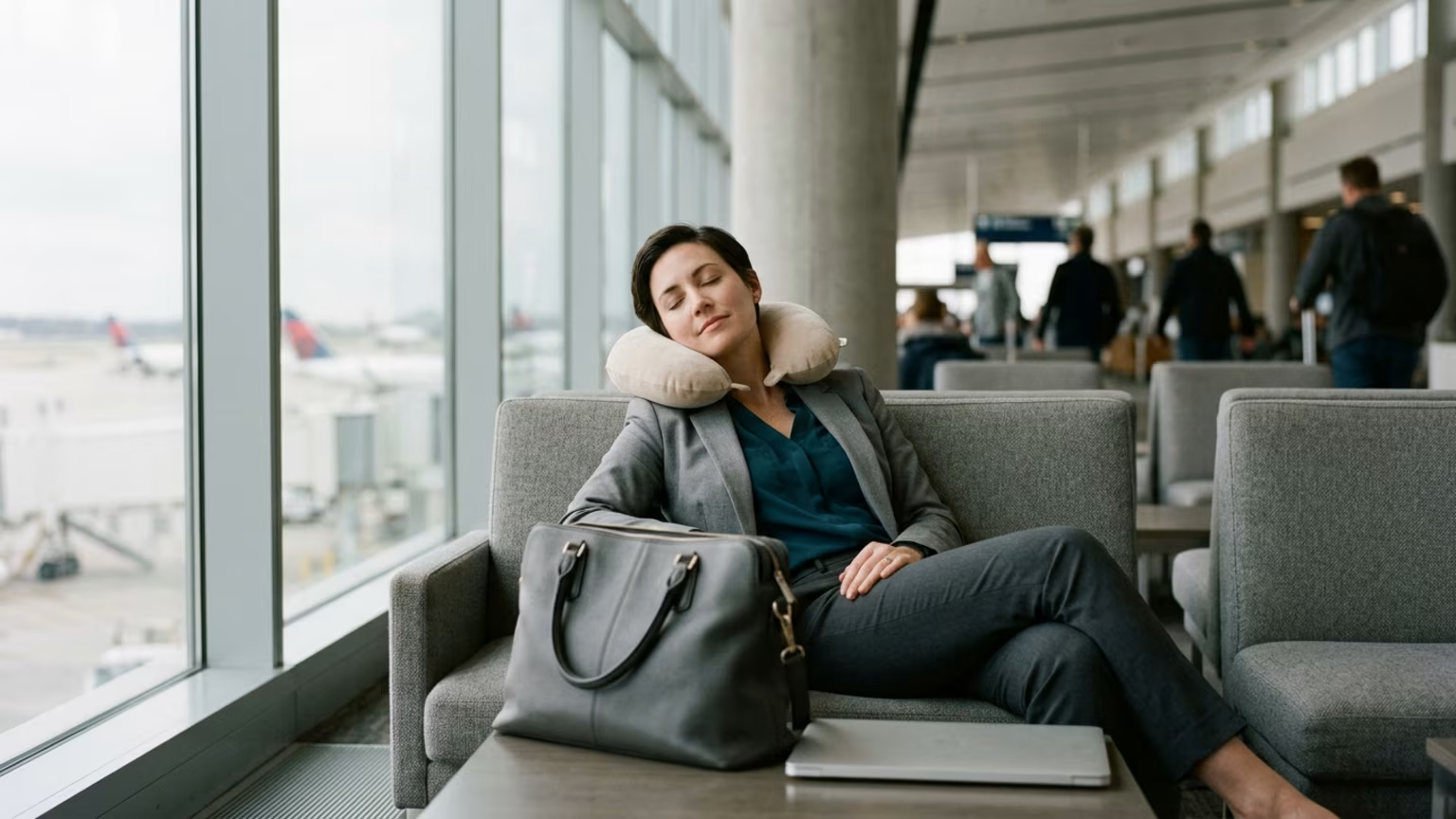
An evidence synthesis reports that brief, well-timed naps can improve near-term alertness and some cognitive outcomes. This targeted intervention is particularly relevant following periods of severe overnight sleep disruption. Operators can strategically deploy short sleep windows to support immediate cognitive performance and mental clarity before a critical afternoon negotiation. However, longer naps require careful operational timing to prevent severe performance degradation.
The evidence review notes that naps tend to work best when enough time is allowed to dissipate sleep inertia. Placing a high-stakes meeting immediately after a longer nap may create a temporary performance dip. Executives must ensure they schedule an adequate buffer period to regain full alertness after waking. The most defensible strategy relies on treating nighttime sleep extension as the primary, non-negotiable intervention for sustained health.
Short daytime rest should always remain a tactical contingency tool rather than a daily baseline requirement. A late or overly long nap may reduce crucial sleep pressure and subsequently interfere with the next night of sleep. Leaders concerned with healthy aging and executive longevity must build a reliable structure that prioritizes sufficient overnight recovery.
The 22-trial synthesis of 291 participants reported favorable pooled effects across several critical physiological metrics. Researchers recorded a standardized mean difference of 0.69 for cognitive performance, with a 95% confidence interval of 0.37 to 1.00. The pooled effect for physical performance was notably stronger and more consistent. The physical output metric reached a substantial effect size of 0.99, carrying a 95% confidence interval of 0.67 to 1.31.
Fatigue outcomes also moved in a highly favorable direction following these structured rest protocols. The pooled data showed an effect size of -0.76 for fatigue, with a 95% confidence interval spanning -1.24 to -0.28. The Frontiers in Physiology review provided similar quantitative support for specific athletic movements. It reported a pooled standardized mean difference of 0.96 for endurance performance, with a 95% confidence interval of 0.62 to 1.29 and a p-value of less than 0.001.
Agility testing showed a slightly smaller benefit, producing an effect size of 0.55 and a 95% confidence interval of 0.01 to 1.09. The pooled estimate for power and strength was 0.50, but the corresponding 95% confidence interval ranged from -0.09 to 1.09, crossing zero. In a distinct subgroup analysis, naps longer than 60 minutes were associated with a massive effect size of 1.38 for endurance and 0.84 for power.
A separate 2023 review of daytime naps after normal nighttime sleep analyzed 18 distinct research papers. This review found clear benefits for 5-meter shuttle-run outcomes, but it found no benefit for absolute strength. A 2024 systematic review quantified the exact cost of inadequate rest, reporting an overall performance effect of -0.56 after acute sleep deprivation. This review noted particularly large negative effects for high-intensity intermittent exercise and crucial technical control.
The current findings carry substantial limitations that operators must carefully consider before altering their schedules. All 291 participants in the broad nap synthesis were male, which materially limits confidence in applying the findings across sexes. The estimates also demonstrated exceptionally high statistical heterogeneity across the board. The synthesis noted an I² value of 71.5% for cognitive performance, 89.1% for physical performance, and 89.5% for subjective fatigue outcomes.
These values indicate that study conditions, participant profiles, nap protocols, and specific testing methods varied considerably. The authors of the team-sport review characterized the cognitive and technical performance evidence as uncertain because of statistical imprecision. A separate synthesis focused entirely on working-age adults analyzed 11 laboratory-based studies involving 381 adults. This specific meta-analysis found improved post-nap cognitive performance, with the absolute clearest signal appearing for basic alertness.
However, feeling alert in a controlled laboratory environment does not automatically guarantee improved strategic judgment in a corporate setting. The broader review of athlete sleep interventions screened 5,996 records and included 27 distinct papers. The authors quantitatively synthesized 12 controlled trials involving a total of 617 athletes. This expansive review found measurable improvements in subjective sleep quality, sleepiness, and negative affect.
Critically, the same review found no significant effects on objective sleep measures, aerobic performance, or anaerobic performance. This stark contrast serves as a vital reminder for high-performing professionals. Feeling better after a midday rest period does not automatically mean that every objective performance metric will actually improve.
The emerging research direction is shifting rapidly from generic recommendations toward strict intervention comparisons. Scientists are now directly evaluating the varying effects of nighttime sleep extension, structured daytime naps, ambient light manipulation, and improved sleep environments. Future clinical trials will likely prioritize identifying why objective performance metrics often lag behind subjective improvements in mood. We expect upcoming studies to focus entirely on complex executive function rather than simple athletic output.
The practical trend for modern organizations is not mandating scheduled naps for every single employee. The primary goal is making recovery-compatible scheduling possible, which includes protecting reasonable nighttime sleep windows. This evidence supports prioritizing the final hours of overnight rest rather than assuming short afternoon breaks resolve chronic systemic deficits. Leaders should rigorously test individual cognitive output before assuming that a standardized midday rest protocol solves organizational fatigue.
Stay connected for research and practical guidance on executive performance, energy, focus, sleep, recovery and longevity. Ideas built for people who want to stay sharp, capable and effective for the long run.





Build habits and systems that support clear thinking, steady energy and long term capacity throughout a demanding career.
explore the Blog